 VidyuthLabs
VidyuthLabs Blog
Field electrochemistry, sensors and safe water, food and soil
Guides and news from VidyuthLabs on portable potentiostats, screen-printed electrode sensors, and testing for heavy metals and other contaminants.
-
 News
News
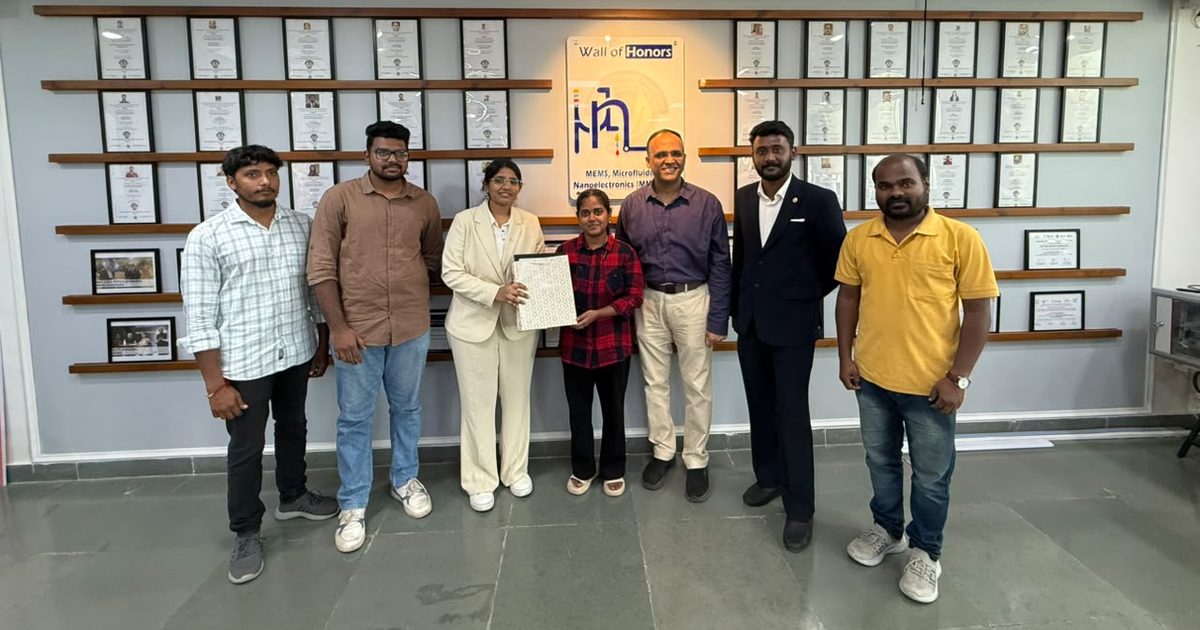
VidyuthLabs and BITS Pilani, Hyderabad Campus collaborate on portable electrochemical sensing
VidyuthLabs is collaborating with BITS Pilani, Hyderabad Campus to develop portable potentiostat applications, starting with heavy-metal sensors for water, food and soil.
-
Guide
What is a portable potentiostat? A practical guide for field electrochemistry
How a potentiostat works, what CV, DPV and EIS measure, and what to look for in a portable or handheld potentiostat for field testing.
-
Water
Testing drinking water for lead, cadmium, arsenic and mercury: limits and on-site methods
Indian (BIS IS 10500) and WHO limits for heavy metals in drinking water, how labs test for them, and how portable electrochemical sensors screen water on site.
-
Sensors
Screen-printed electrodes (SPEs) explained: how they work and why they matter for sensing
What screen-printed electrodes are, the working, reference and counter electrodes on a single strip, electrode materials, nanomaterial coatings, and where SPE sensors are used.
-
Food safety
Formalin in fish: why it is used, why it is harmful, and how to screen for it
Why formalin is illegally added to fish and seafood, the health risk, why some fish contain natural formaldehyde, and the options for rapid on-site screening.
-
Food & soil
Heavy metals in food and soil: why testing matters and how portable sensors help
How heavy metals reach crops and food, Indian food-safety rules on contaminants, how soil and food samples are prepared, and where portable electrochemical sensors fit.